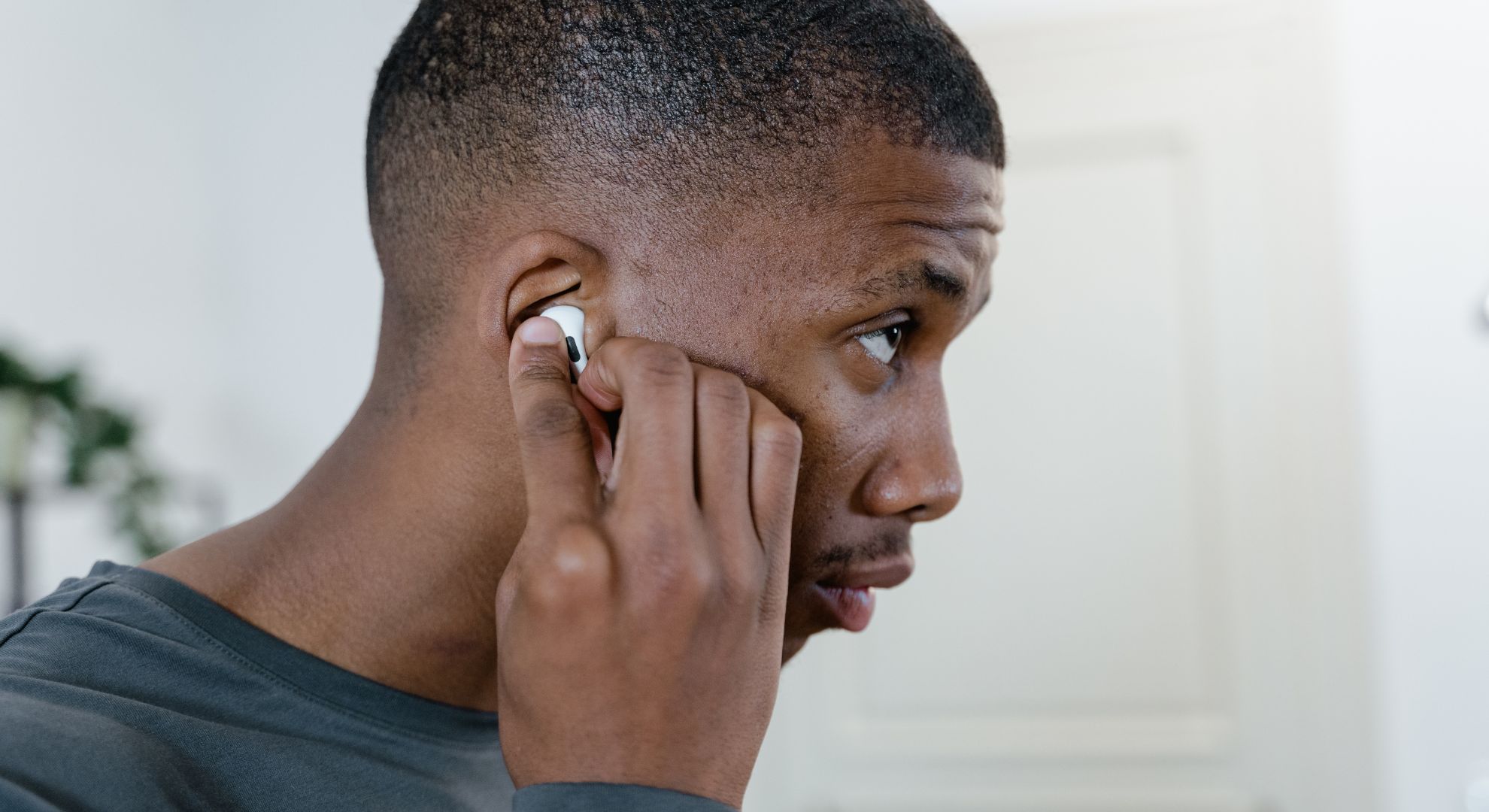
AirPods as Hearing Aids? Not Exactly, But Here’s the Full Story
Apple has launched a ‘hearing health’ software for AirPods, generating considerable buzz in the media (check out this journalist’s first-hand account: https://www.cnet.com/tech/mobile/i-tested-the-apple-airpod-pro-2-hearing-aid-software-early-heres-everything-you-need-to-know/). As an Audiologist and PhD in hearing science, I see this development as significant, encouraging discussions about hearing health, which affects 18% of adults in Canada.
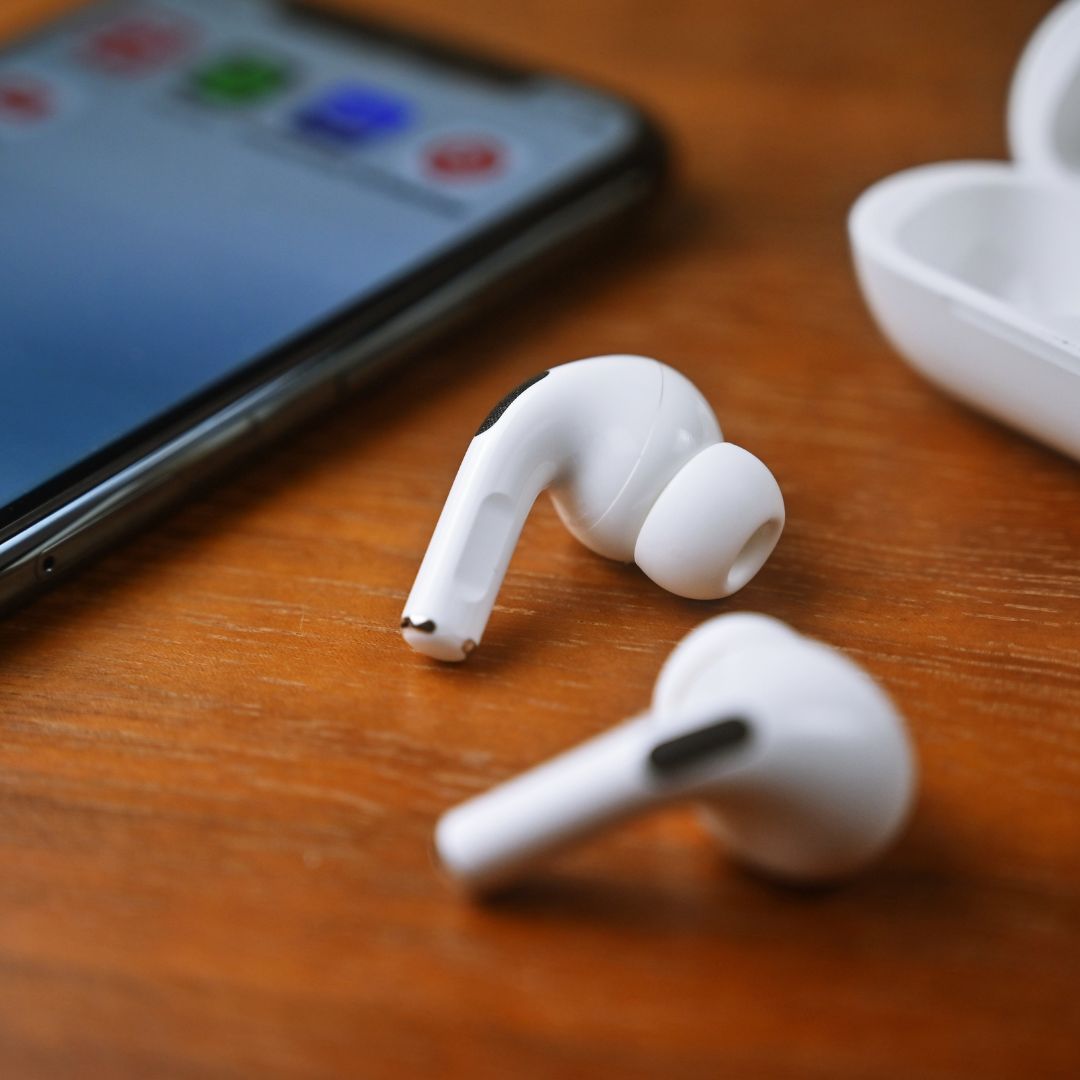
Pros of Using AirPods for Hearing:
- Many users may already own them.
- They can be used occasionally in specific situations.
- They are more affordable than traditional hearing aids.

Cons of Using AirPods for Hearing:
- Self-Diagnosis Risks: Patients diagnose their own hearing loss using AirPods, potentially missing critical medical issues like a ruptured eardrum or tumor. A professional evaluation is essential for proper diagnosis and management, including earwax removal, Tinnitus counseling, potential surgically treatable conductive hearing loss referrals to surgeons AND more challenging auditory discrimination hearing loss that requires specific understanding and instruction.
- Limited Usage: AirPods with hearing health software are designed for short-term use (only offering 3-6 hours of charge). Real hearing aids offer up to 20 hours of daily use, thus providing vital consistent auditory stimulation. Research from the University of Colorado (2020) shows that even slight to mild hearing loss can affect the auditory system, indicating the necessity of consistent sound enhancement. Relying on AirPods for certain situations only, ie. not all day, may lead to further deterioration of hearing and is a misleading way to correctly manage hearing loss.
- Social Perception: Wearing AirPods while communicating can feel awkward, as they signal a desire to disengage. In contrast, today’s discreet hearing aids convey the message that says ‘I WANT to hear better to engage with others’.
Despite these limitations, the increased conversation about hearing health is important. It’s my hope that increased awareness may lead to interest in appropriate professional hearing care with tailored solutions and follow up.

An interesting fact about hearing:
Did you know? When we travel, altitude changes can affect our hearing. As you ascend or descend in an airplane, the rapid change in air pressure can lead to discomfort, if the Eustachian tubes struggle to equalize pressure.
WHAT TO DO TO HELP:
- Chew gum
- Yawn
- Hold your nose and gently blow
These techniques can help alleviate this pressure.