
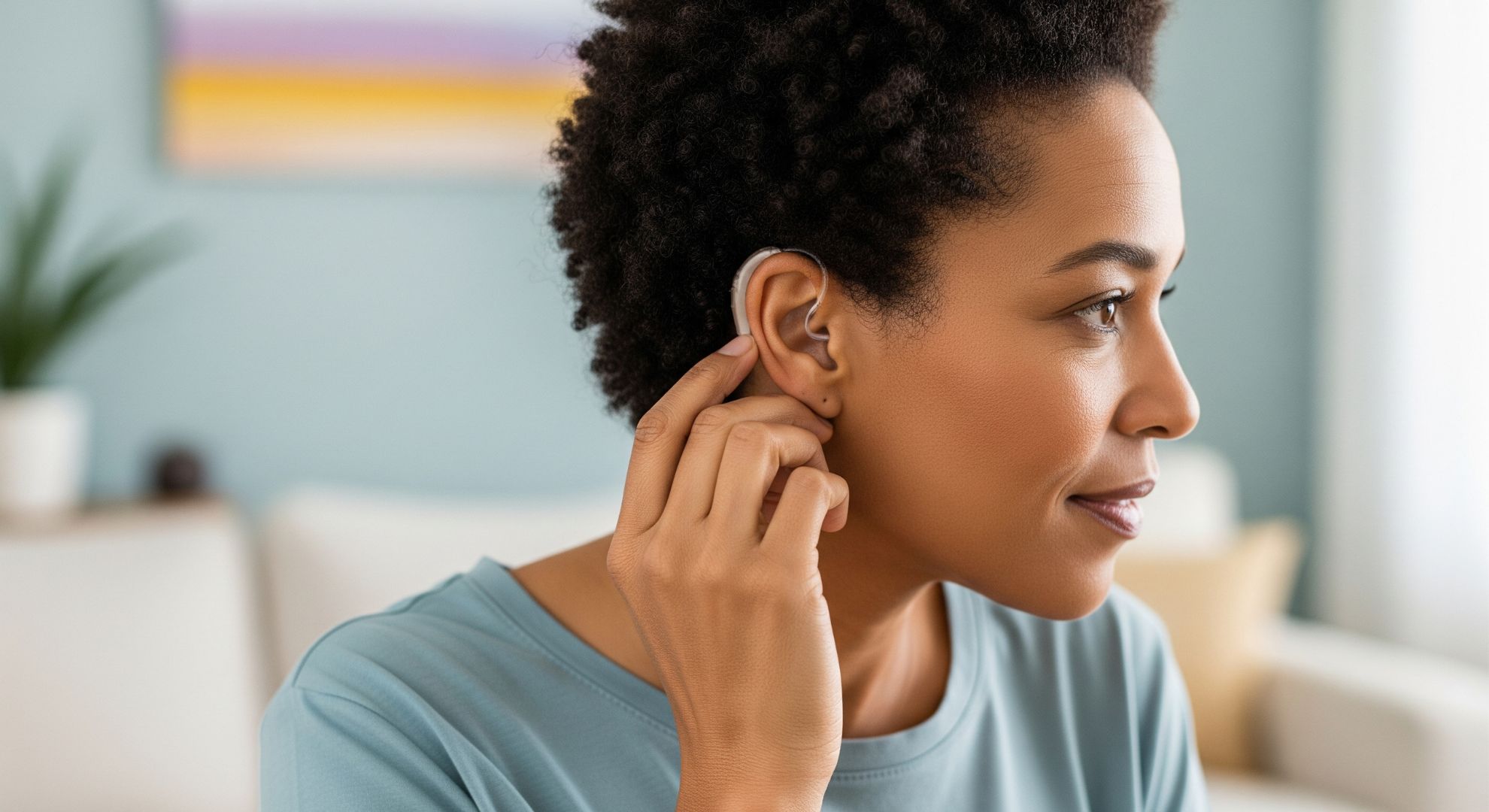
How To Adjust Your Own Hearing Aids
Even with professional fitting, there are times you might want to fine-tune your hearing aid for optimal comfort and sound. Understanding how to make minor adjustments yourself can significantly enhance your daily listening experience. This guide from Audiology Innovations will empower you with simple steps to confidently manage common adjustments from home, ensuring your devices always feel just right.

Understanding Your Hearing Aid Controls
Modern hearing aids, whether behind-the-ear or in-the-canal, come equipped with various controls designed for user accessibility. These can include volume buttons, program change switches, or multi-function toggles that allow for quick sound alterations. Familiarizing yourself with these physical controls is the first crucial step in gaining independence over your hearing experience. Knowing what each button does ensures you can react quickly to changing listening environments.

Basic Volume Adjustments for Clarity
One of the most frequent adjustments needed is volume control, adapting your hearing aid to suit different soundscapes. In a quiet environment, you might lower the volume to avoid amplification of subtle background noises. Conversely, in a busy setting, increasing the volume can help bring conversations into focus. Experimenting with volume ensures sounds are clear, not overwhelming, and contributes to better speech understanding throughout your day.

Switching Between Listening Programs
Many hearing aids offer multiple listening programs, each tailored for specific acoustic environments like a quiet conversation, a bustling restaurant, or music. Learning to switch between these pre-set programs allows your hearing aid to adapt dynamically to your surroundings. This capability ensures that whether you’re at home or out, your device is optimized to provide the best possible sound quality and listening comfort, enhancing your overall experience.
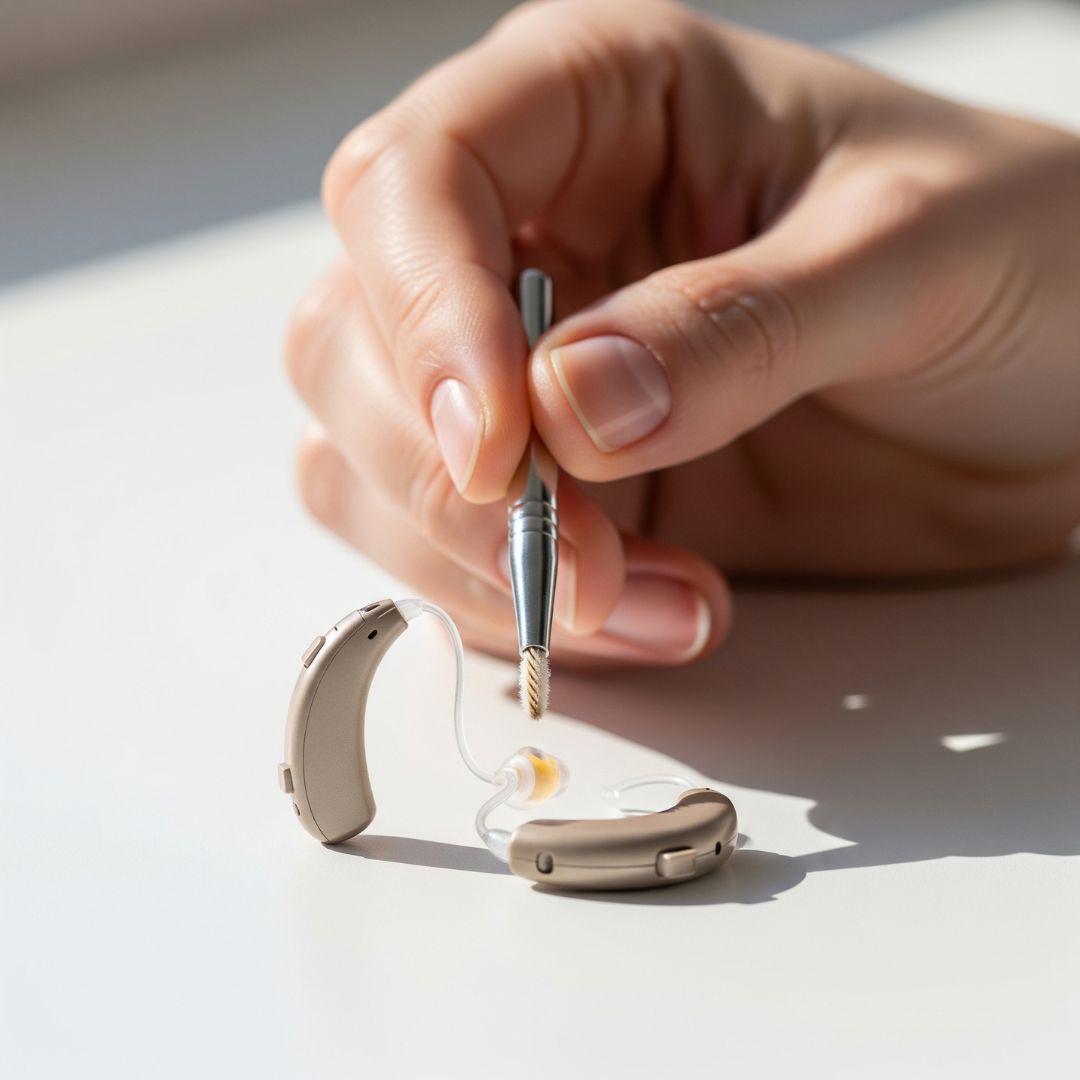
Gentle Care and Troubleshooting Tips
Regular cleaning and gentle handling are vital for maintaining your hearing aid and preventing common issues that might seem like adjustment problems. Always use the cleaning tools provided by your audiologist to remove wax and debris. If an adjustment doesn’t seem to make a difference, or if your hearing aid isn’t working at all, refer to your user manual for basic troubleshooting. Often, simple checks can resolve minor glitches.
Empowering yourself with the knowledge to perform basic hearing aid adjustments can significantly enhance your daily comfort and listening independence. These simple tips provide a foundation for managing minor tweaks. Understanding your device’s capabilities and how small changes impact your auditory experience is a valuable part of effective hearing aid use. Continuously learning about your hearing aids can lead to a more comfortable and fulfilling auditory experience in various daily situations.